
The Pacific year
Seasonal
A coast with two distinct halves to its year.
Southern Azuero does not have one climate; it has two, and the coast reorganises itself around them. The Inter-American Tropical Tuna Commission, describing the shore around its Achotines Laboratory, records marked rainy and dry seasons and dynamic marine circulation patterns — conditions that produce, in its own words, a wide natural variability of the near-shore habitat.
That variability is the character of the place. The vegetation changes, the light changes, the water changes colour, and so does what passes offshore.
Whales
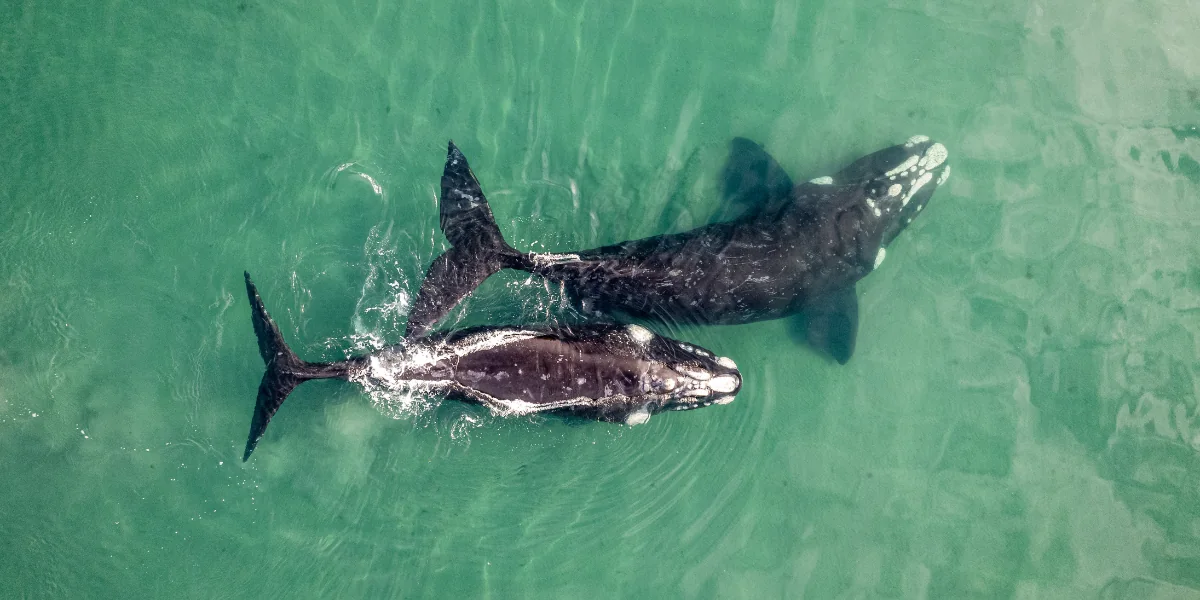
Panama’s tourism authority records the migration of humpback whales along this coast from July to October, and names September as the best month for sightings.
Source: Autoridad de Turismo de Panamá, Pedasí and Tonosí. The Inter-American Tropical Tuna Commission separately documents several species of whales and dolphins in the waters around Achotines Bay.
Turtles
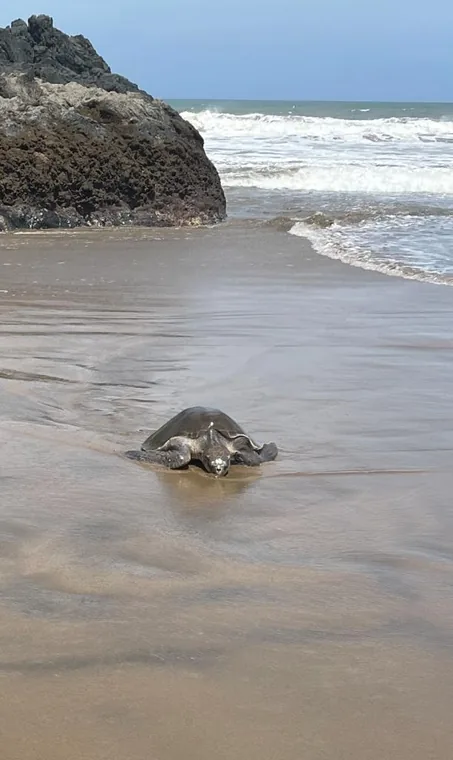
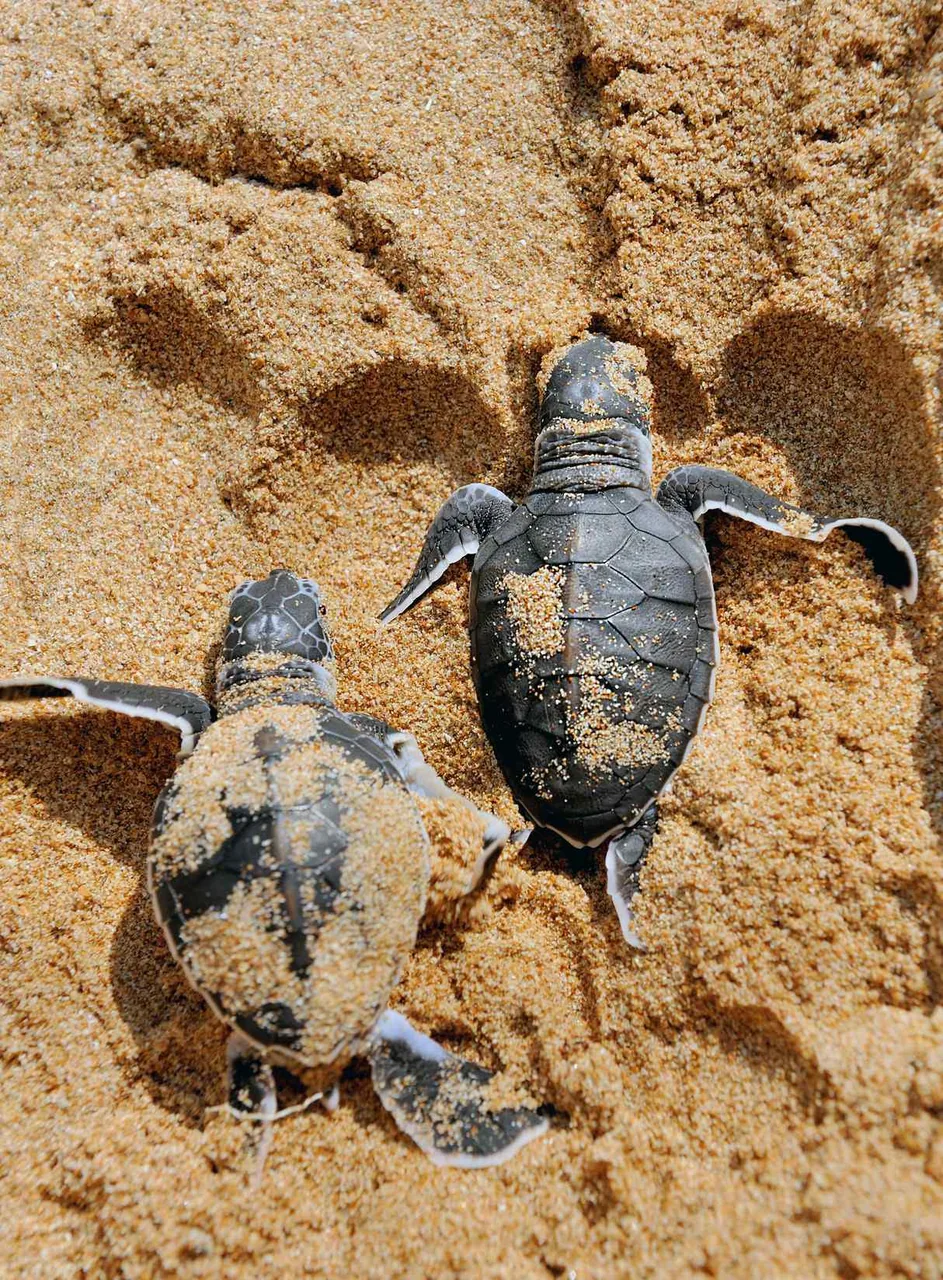
The same authority records olive ridley, green and hawksbill turtles nesting on this southern coast between July and November, naming the Isla Cañas Wildlife Refuge and the La Marinera Reserve in Tonosí.
Those two reserves are part of a wider pattern. Around Achotines Bay the Commission documents sea-turtle nesting sites, seabird rookeries at the nearby Frailes Islands, and coral reefs — the same coastline, studied for a different reason.
Source: Autoridad de Turismo de Panamá for the species and months; Inter-American Tropical Tuna Commission for the habitat around Achotines Bay.
Seasons, not appointments
Whales and turtles keep their own calendar. What the records above describe is when this coast is most likely to be busy — not what any single morning will bring. That is the honest version, and it is also the better one: a place with a season is a place worth returning to.